-
minutes of Finance, Risk and Assurance Committee meeting on 3 August 2021
alarm Published 14 Dec 2021 -
-
-
Te Awarua-o-Porirua Whaitua Committee
Te Awarua-o-Porirua Committee and Ngāti Toa Rōpu combined the knowledge and experience of the community who care about this catchment: iwi, householders, scientists, recreationalists, business owners, and environmentalists.
alarm Published 13 Dec 2021 -
Public minutes of the Environment Committee meeting 2 Dec 2021
There is no digital version of this document available, but you can get in touch with publications@gw.govt.nz to get a copy of the document.
alarm Published 13 Dec 2021 -
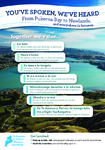
Te Awarua-o-Porirua Whaitua values
You've spoken, we've heard - from Pukerua Bay to Newlands, and everywhere in between.
alarm Published 13 Dec 2021 -
Te Awarua-o-Porirua Whaitua values
You've spoken, we've heard - from Pukerua Bay to Newlands, and everywhere in between.
There is no digital version of this document available, but you can get in touch with publications@gw.govt.nz to get a copy of the document.
alarm Published 13 Dec 2021 -
-
-
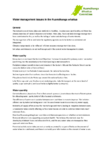
Water management issues in the Ruamāhanga whaitua
The natural state of rivers, lakes and wetlands is modified, in some cases significantly, and there has already been loss of natural character and habitat. River, lake, flood and land…
alarm Published 10 Dec 2021